

Antifouling Your Boat in Australia: A Practical Guide
Keep the hull clean, cut drag, and protect the bottom in warm Australian waters—with brands we stock at The Boat Works, Coomera.
Australia’s coastline is brilliant for boating, and Queensland’s warm water is especially hard on an unprotected hull. Barnacles, weed and slime grow quickly here. A well-chosen antifoul coating is one of the simplest ways to keep performance up, fuel use down, and haul-outs less painful.
Marine Trade Supplies is the chandlery inside The Boat Works at Coomera on the Gold Coast. The yard has haul-out and hardstand facilities, and we stock the antifouling paints, primers and ancillaries people use on the hard every week—whether you DIY or book a local applicator.
Why antifoul matters in Australian waters
Warm water and nutrient-rich harbours mean growth is rarely “set and forget” in Queensland.
- Performance: Fouling adds drag. A dirty bottom slows the boat and loads the engine.
- Fuel use: Less drag usually means better fuel economy over a season—especially on longer coastal hops.
- Hull protection: Growth traps moisture against the gelcoat or metal and can encourage corrosion or blistering if left unchecked.
- Local conditions: Gold Coast and Brisbane River / Moreton Bay boats often see aggressive slime and barnacle pressure compared with cooler southern waters.
Hard vs ablative (self-polishing) antifouls
Hard antifoul
Forms a tough film. Suits faster boats, racing, and vessels that are trailed or dry-stacked, where a soft ablative would wear unevenly. Hard coatings can build thickness over years, so sanding between seasons matters.
Ablative / self-polishing
Wears slowly as the boat moves (and to a degree while sitting), exposing fresh biocide. Popular for cruisers and marina boats because build-up is usually lower at the next haul-out. Match the product to your typical speed and idle time.
Choosing antifoul for how you use the boat
There is no single “best” tin. Start with how the boat lives:
- Marina berth or permanent mooring: Expect heavier fouling. A proven self-polishing or high-strength ablative is common.
- Trailer / dry stack: Hard antifouls or products rated for intermittent immersion are often a better fit.
- High speed: Hard or hybrid systems that can handle water flow without polishing away too fast.
- Colour: Many ranges offer black, blue, red and other colours. Colour does not replace biocide performance—pick the system first, then the shade.
Aluminium hulls need copper-free antifoul
Copper-based antifouls can attack aluminium through galvanic corrosion. If the hull (or drive legs / outboards you are coating) is aluminium, use a copper-free antifoul and the primer system the manufacturer specifies. Bring a photo of the existing bottom and any product labels into the shop—we will help you stay compatible rather than guessing from the tin colour alone.
Haul-out prep and application (overview)
Always follow the product data sheet. Windows for sanding, priming, overcoating and launching vary by brand and temperature.
- 1. Haul and clean Pressure-wash growth off while it is still wet. Remove loose or failing paint.
- 2. Fair and sand Sand to a sound profile. Feather edges. Vacuum and wipe clean before priming.
- 3. Primer / tie-coat Use the primer or tie-coat the antifoul manufacturer recommends for your substrate and existing coating.
- 4. Antifoul coats Apply the stated number of coats at the right wet-film thickness. Respect overcoat times.
- 5. Launch window Launch inside the minimum/maximum time on the data sheet so the film activates correctly.
- 6. Anodes and fittings Mask anodes, transducers and intakes. Coat them only with products rated for those surfaces.
At The Boat Works you can DIY on the hardstand or use one of the professional antifouling applicators based at the yard. We supply the paint either way.
How often to reapply
In Queensland, many recreational boats antifoul about once a year. Fast growth, a dirty berth, or a light-duty product can shorten that. A premium self-polishing system on a boat that moves regularly can sometimes go longer. Inspect the bottom at every haul-out and when you dive or dry out. When in doubt, ask us with your boat type and current product in hand.
Antifoul brands we stock
These are the antifouling ranges on our shelves and online shop. Tap a card for that brand’s category.

International
AkzoNobel’s International Yacht range—widely used Micron and related antifouling systems for many hull types.
Shop International →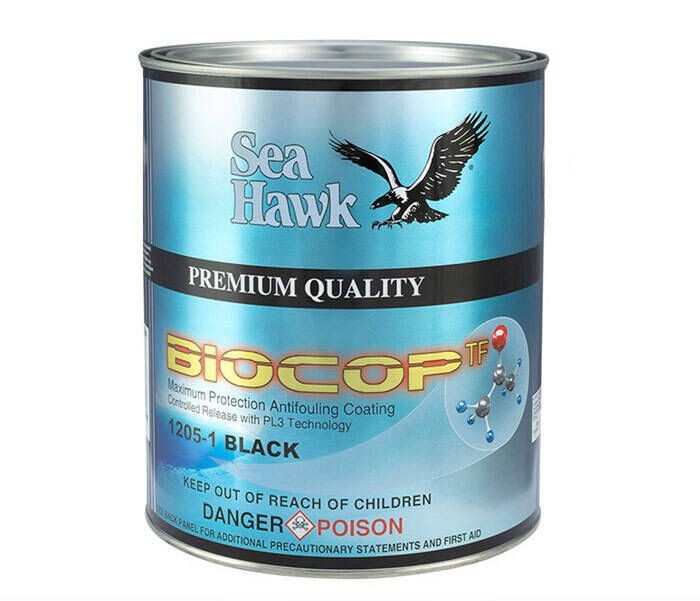
Sea Hawk
Premium antifouling from Clearwater, Florida (AkzoNobel), backed with matching epoxy primers for longer time in the water.
Shop Sea Hawk →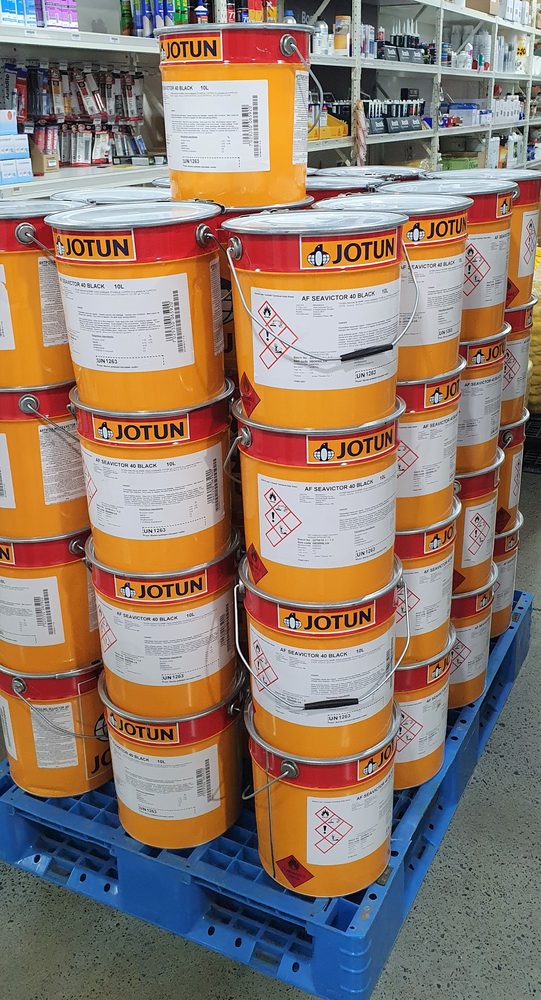
Jotun
Self-polishing SeaVictor antifouling suited to warm tropical waters and boats that spend serious time afloat.
Shop Jotun →
Hempel
Major marine paint maker with antifouling systems (including Globic) used by cruisers and commercial vessels.
Shop Hempel →
Altex
Altex Yacht & Boat Paint developed for harsh local conditions, including popular No.5 Plus antifouling colours.
Shop Altex →
Carboline
SeaBarrier ablative antifouls with a long track record in South Pacific and commercial marine work.
Shop Carboline →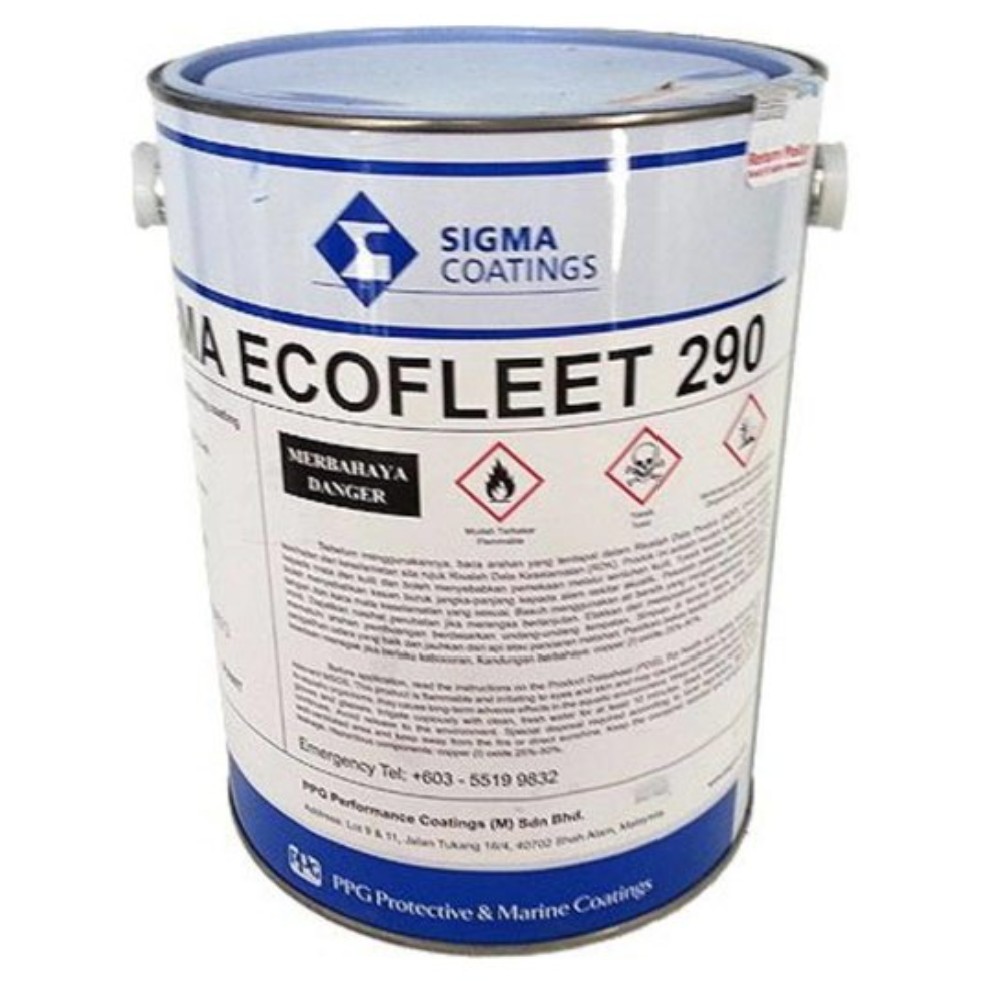
PPG
Sigma Ecofleet self-polishing antifoul in trade sizes—a regular choice for boats around the 35 ft mark and up.
Shop PPG →Antifouling FAQ
How often should I antifoul my boat in Queensland?
In warm Queensland waters many boats need antifouling every 12 months, especially on a marina berth or mooring. High-speed use, short seasons, or a premium self-polishing system can stretch that interval, but growth here is fast. Check the data sheet and ask in store for your boat and berth.
What is the difference between hard and ablative antifoul?
Hard antifouls form a tough film suited to faster boats and trailering. Ablative and self-polishing antifouls wear slowly in the water, exposing fresh biocide and usually leaving less build-up for the next haul-out. Choose based on speed, berth type and how you use the boat.
Can I use copper antifoul on an aluminium hull?
No. Copper-based antifouls can cause galvanic corrosion on aluminium. Aluminium boats need a copper-free antifoul and the correct primers. Bring your hull material and current coating details into the shop so we can point you to a compatible product.
Do I need to haul out to antifoul?
Yes for a proper bottom job. The hull needs to be dry, cleaned and prepared so primer and antifoul can be applied inside the manufacturer windows. We are inside The Boat Works at Coomera, which has haul-out and hardstand facilities, plus professional applicators on site if you prefer not to DIY.
Which antifoul brands does Marine Trade Supplies stock?
We stock International, Sea Hawk, Jotun, Hempel, Altex, Carboline and PPG antifouling ranges, plus primers and ancillaries. Browse the antifoul shop or ask the team which system suits your boat, speed and berth.
Need help picking an antifoul?
Call, email or visit us at The Boat Works—bring your hull type, current bottom paint and how you use the boat.